
June 16, 2026
High Tea vs Buffet: Which for Your Corporate Event?
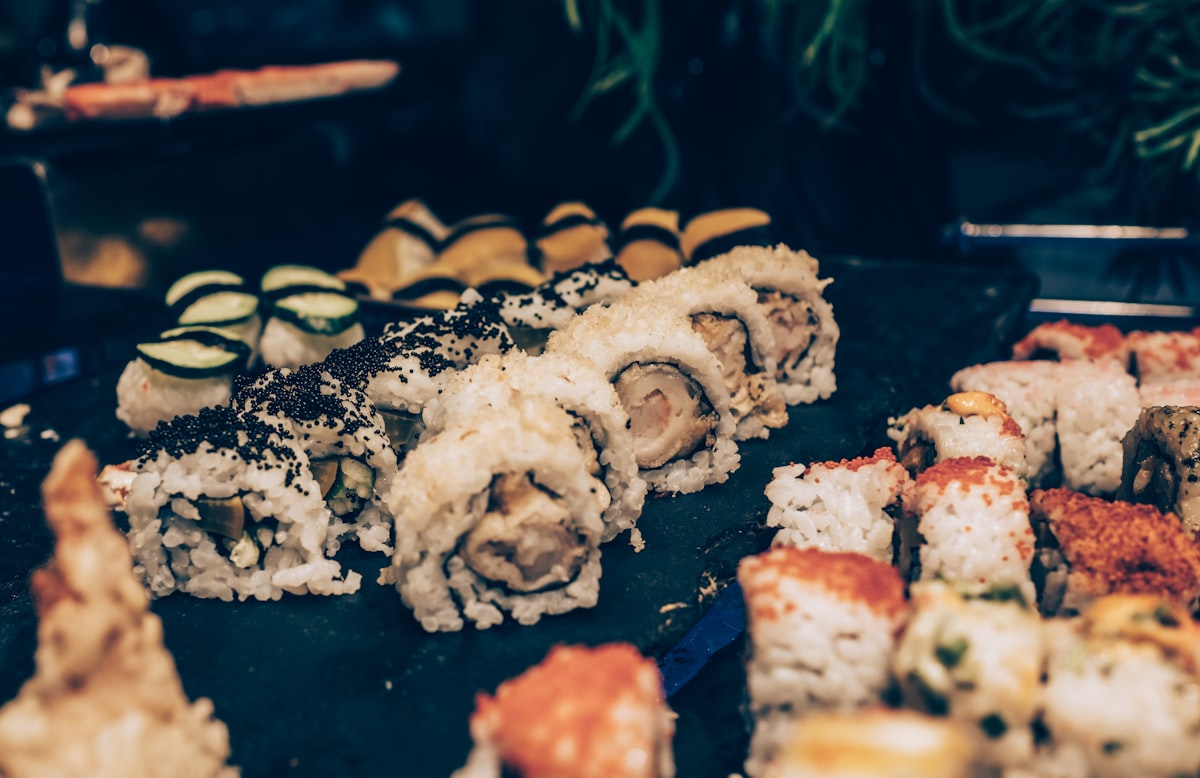
Deciding between high tea vs buffet for a corporate event in Singapore comes down to a few practical questions: what time is your event, how long do guests stay, how much do they need to eat, and what impression do you want to leave? Both formats can be elegant and both can be done the Japanese way, but they serve different occasions. At Sushijiro Catering, with our omakase heritage and a Japanese culinary team running a dedicated central kitchen, we help corporate planners pick the format that fits the brief rather than forcing the brief to fit the food.
The quick answer
Choose high tea for shorter, lighter, mid-afternoon or networking-style gatherings where mingling matters more than a full meal. Choose a buffet for events that replace lunch or dinner, where guests are seated or staying for a couple of hours and expect to leave full. The rest of this guide unpacks the trade-offs so your decision is easy to defend to finance and to your colleagues.
- High tea: lighter, social, shorter, dessert-forward
- Buffet: substantial, meal-replacing, wider savoury range
- Both: islandwide delivery and NPNL (not halal-certified)
What is a Japanese high tea?
A high tea spread leans into bite-sized, elegant items — think handrolls, canapés, savoury pastries, sweet treats and beverages — designed for grazing while people talk. It signals refinement and is perfect for client appreciation sessions, milestone celebrations and afternoon networking. See our Japanese high tea catering for the full picture, or high tea delivery if you simply need it dropped off.
What is a Japanese buffet?
A buffet is a fuller spread: sushi and sashimi, one or more hot mains, donburi or noodle options, sides, salad and dessert, replenished through the session. It is the right call when catering replaces a meal. Browse our Japanese buffet catering, or for smaller rooms and headcounts, the Japanese mini buffet.
High tea vs buffet on timing
Timing is the clearest deciding factor. Events from roughly 3pm to 5pm sit naturally between meals and suit high tea, where guests want something light rather than a heavy plate. Events that span 12pm to 2pm or run into the evening should replace lunch or dinner with a buffet so nobody leaves hungry.
- 2.30pm to 4.30pm networking: high tea
- 12pm townhall lunch: buffet
- 6pm onwards reception: buffet, or a generous high tea with hot bites
High tea vs buffet on cost
Per head, high tea is often the lighter spend because portions are smaller and the format is less savoury-heavy. A buffet usually costs more, especially when you add sashimi or a live station. That said, the gap narrows once you scale a premium high tea with many varieties. We do not publish fixed guaranteed prices online — a quick quote confirms the exact per-pax figure for your headcount and menu.
High tea vs buffet on headcount and space
High tea works well for both intimate and large groups because items are passed or self-served in small bites and need less table space. Buffets need a dedicated service line and room for guests to queue and plate up, so very tight pantries may favour high tea or a mini buffet. For modest groups, our small-group catering can flex either way.
Menu variety and dietary handling
Both formats accommodate diverse teams. Our kitchen is strictly No Pork, No Lard (NPNL) — though not halal-certified — and we can build vegetarian-friendly selections for either format. Buffets generally offer more savoury variety, while high tea showcases dessert and pastry craft. Tell us your dietary counts and we will structure the spread so everyone is included.
Which impression do you want to leave?
- High tea reads as polished, hospitable and conversational
- Buffet reads as generous, abundant and celebratory
- Match the tone to your audience — clients, leadership or the whole team
Can you combine both?
Yes. For longer events such as a half-day seminar, a buffet lunch followed by an afternoon high tea or tea break keeps energy up across the day. Many corporate planners pair the two so the meal anchors the agenda and the lighter spread sustains the late-afternoon stretch.
Delivery, setup and lead time
We deliver islandwide — CBD, Marina Bay, business parks and beyond. Buffets and live stations need more setup time and floor space, so confirm a few days ahead; high tea drop-offs can sometimes be arranged at shorter notice. To check availability for your date, call or WhatsApp +65 9739 1334, or browse the full menu first.
Frequently asked questions
High tea vs buffet — which is cheaper?
High tea is usually the lighter per-head spend because portions are smaller, while a buffet costs more, especially with sashimi or live stations. A quote confirms the exact figure.
Which is better for an afternoon corporate event?
For a mid-afternoon networking or appreciation event, high tea fits best. If the event replaces lunch or dinner, choose a buffet.
Is your catering halal?
Our central kitchen is strictly No Pork, No Lard (NPNL), but we are not halal-certified. We always state this clearly.
Can a buffet fit in a small office?
A full buffet needs a service line and queuing space. For tight rooms, a mini buffet or high tea is often the better fit.
Can you cater vegetarian options for either format?
Yes. Share your dietary counts and we will build vegetarian-friendly selections for high tea or buffet and flag common allergens.
How far ahead should I book?
A few days for buffets and live stations; high tea drop-offs can sometimes be arranged sooner. Message us at +65 9739 1334 to confirm.
Still weighing high tea vs buffet for your event? Tell us your time, headcount and venue, and we will recommend the format that fits. Explore our corporate Japanese catering options or get pricing below.