
June 16, 2026
No Pork, No Lard Japanese Catering — What It Means
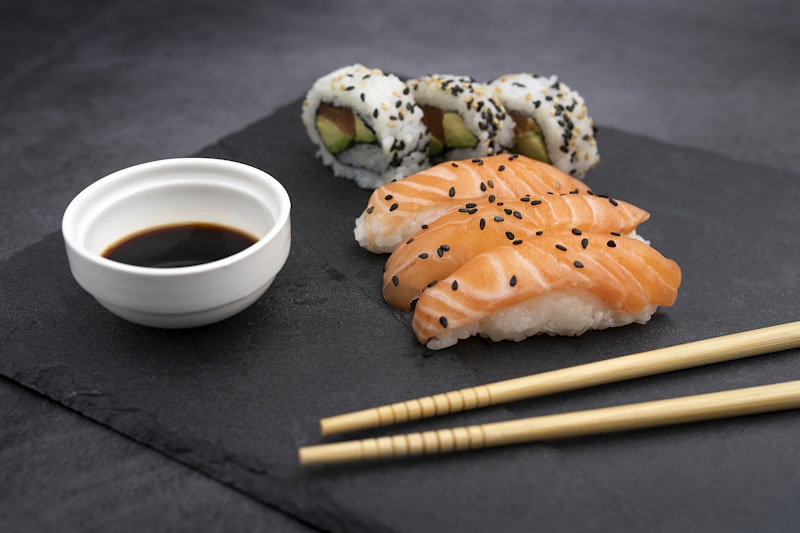
When you are planning a meal for a mixed group in Singapore, dietary requirements can quickly become the most stressful part of the brief. One of the most common requests we receive is for no pork no lard catering in Singapore, and it is also one of the most misunderstood. At Sushijiro, our central kitchen runs a strict No Pork, No Lard (NPNL) policy across every dish we prepare, drawing on the discipline our Japanese culinary team carried over from our omakase heritage. This article explains exactly what NPNL means in practice, how it differs from halal certification, and why being honest about that distinction matters for your guests.
What “No Pork, No Lard” actually means
No Pork, No Lard is exactly what it sounds like, but the second half is the part people often overlook. “No pork” means we never use pork meat, ham, bacon, char siu, or any pork-derived ingredient in our food. “No lard” means we also exclude rendered pork fat, which is a hidden ingredient in many sauces, fried items, and stocks across Asian cooking. Plenty of kitchens avoid serving pork on the plate while still cooking with lard or pork-based stock in the background. A true NPNL kitchen removes both.
For a Japanese caterer this is very achievable because traditional Japanese cooking already leans on ingredients that are naturally pork-free: dashi made from kombu and bonito, soy, mirin, rice vinegar, miso, and fresh seafood. Where a dish would normally call for pork (a tonkotsu broth, for example), we either reformulate it with chicken or seafood or leave it off the menu entirely. You can see how this shapes our range across our menu.
How NPNL differs from halal certification
This is the most important section of this article, and we want to be completely transparent. Sushijiro is strictly No Pork, No Lard, but we are not halal-certified. These are two different things, and conflating them does a disservice to guests who rely on certification.
Halal certification in Singapore is granted by MUIS (the Islamic Religious Council of Singapore) and covers far more than the absence of pork. It governs how meat is slaughtered, the entire supply chain, ingredient sourcing, the separation of utensils and preparation areas, storage, and regular audits of the premises. A kitchen can be genuinely pork-free and still not meet halal requirements, because halal is a certified, audited standard, not simply a description of what is left off the plate.
- NPNL describes our ingredients: no pork meat and no lard anywhere in our cooking.
- Halal certification is a formal, audited religious standard covering sourcing, slaughter, and segregated preparation.
- We can honestly promise the first. We cannot and do not claim the second.
If any of your guests require halal-certified food for religious observance, please note clearly that Sushijiro is not certified, and choose accordingly. We would rather you have accurate information than be disappointed on the day. For some corporate clients this distinction is a deciding factor, which is why we raise it upfront on our corporate Japanese catering enquiries.
Why NPNL matters for mixed Singapore guest lists
Singapore is one of the most religiously and culturally diverse places in the world, and most office or family events bring together people who avoid pork for different reasons: Muslim colleagues, some Jewish guests, health-conscious eaters, and individuals who simply prefer not to eat it. A strictly NPNL menu means nobody at the table has to interrogate the ingredient list or quietly skip dishes.
For event organisers, this lowers the coordination burden dramatically. Instead of running separate orders or marking individual plates, you can offer a single spread that the whole room can share. It is inclusive by default, which is exactly what you want when you are feeding a group you do not fully know. That is a big reason our Japanese buffet catering and bento catering formats are popular for diverse workplaces.
No pork no lard catering for offices and corporate events
Offices are where no pork no lard catering in Singapore earns its keep. HR and admin teams arranging lunches, town halls, client meetings, and celebrations rarely have time to vet every dish for every attendee. An NPNL caterer removes one entire category of worry. You can order with confidence that the pork question is already handled, and focus on quantities, timing, and presentation instead.
Bento sets work especially well here because each guest gets a sealed, individually portioned meal that is easy to distribute and clearly labelled. For larger gatherings, a buffet line lets people serve themselves from a shared, fully NPNL spread. Both formats scale, and both keep the dietary story simple.
Vegetarian and plant-based options
NPNL and vegetarian are not the same thing, and we treat them separately. A no-pork menu still contains chicken, beef, and seafood. For guests who eat no meat at all, we prepare dedicated vegetarian dishes rather than simply removing protein from a standard item. Japanese cuisine offers a genuinely satisfying vegetarian range: agedashi tofu, vegetable tempura, inari and vegetable sushi, edamame, seaweed salads, and rice and noodle dishes built on vegetable-based seasoning.
One technical note worth flagging: classic dashi is made with bonito (fish), so it is not vegetarian by default. When you need strictly vegetarian food, tell us, and we will use kombu and mushroom-based stock instead. You can explore this in more detail on our vegetarian Japanese catering page.
- Vegetarian dishes prepared as dedicated items, not afterthoughts.
- Vegan-friendly choices available on request.
- Standard dashi contains fish; ask for kombu-based stock if you need strictly vegetarian.
Allergen handling and transparency
Pork is only one dietary concern. Japanese food frequently involves several common allergens: shellfish and other seafood, soy, wheat and gluten (soy sauce and many sauces contain wheat), sesame, egg in tamago and certain dressings, and dairy in a small number of fusion items. We are happy to advise which dishes contain which allergens so you can plan around them.
What we will not do is overpromise. While we take cross-contact seriously, our central kitchen handles seafood, gluten, sesame, and other allergens daily, so we cannot guarantee an allergen-free environment for guests with severe or life-threatening allergies. If someone in your group has anaphylactic-level sensitivity, please tell us early so we can give you honest guidance and, where appropriate, recommend safer choices from our range.
How to brief us on dietary needs
The smoothest events come from a clear brief. The more we know in advance, the better we can match the menu to your room. When you enquire, it helps to share a few specifics.
- Total headcount and how many guests are vegetarian or vegan.
- Any allergies, and how severe they are.
- Whether anyone requires halal-certified food (so we can flag that we are NPNL but not certified).
- Format preference: individual bento, shared buffet, or platters.
- Venue, delivery time, and setup or pickup needs.
You can send all of this through our quote request form, or speak to us directly at +65 9739 1334 if your requirements are complex. We would rather have a five-minute conversation upfront than guess.
Which events suit NPNL Japanese catering
NPNL Japanese catering fits almost any gathering where you want broad appeal without the dietary headaches. Corporate lunches, office celebrations, product launches, and client meetings all benefit from a menu the whole room can eat. It also works beautifully for family occasions, birthdays, religious-neutral gatherings, baby full-month celebrations, and condo or community events where you simply cannot predict who will be in the room.
Because our food is rooted in an omakase background, the quality holds up for higher-stakes occasions too, from board lunches to milestone celebrations, where presentation matters as much as the dietary fit.
Frequently asked questions
Is Sushijiro halal-certified?
No. We are strictly No Pork, No Lard, but we are not halal-certified by MUIS. If your guests require certified halal food, please note this and choose a certified caterer, as NPNL is not the same as halal certification.
What is the difference between No Pork No Lard and halal?
NPNL means we use no pork meat and no lard in any dish. Halal is a formal, audited standard covering slaughter, sourcing, and segregated preparation. A kitchen can be fully pork-free without meeting halal requirements, which is exactly our situation.
Do you offer vegetarian options?
Yes. We prepare dedicated vegetarian and vegan-friendly dishes. Please tell us if you need strictly vegetarian food, since our standard dashi contains fish and we can substitute a kombu-based stock.
Can you cater for guests with food allergies?
We can advise on which dishes contain common allergens such as shellfish, soy, wheat, sesame, and egg. However, our kitchen handles these ingredients daily, so we cannot guarantee an allergen-free environment for severe allergies. Tell us early so we can guide you.
How do I confirm a dish is suitable for my group?
Share your headcount, dietary needs, and any allergies when you enquire. We will recommend a menu and flag anything to watch, including our NPNL-but-not-certified status, so there are no surprises on the day.
Plan a menu your whole table can share
A strictly No Pork, No Lard menu takes one of the biggest planning worries off your plate, while keeping the quality and presentation you would expect from a team with omakase roots. Tell us about your guests, your format, and any dietary needs, and we will build a spread that works for everyone in the room. Call us at +65 9739 1334 or send your details through the form below.