
June 16, 2026
Bento vs Buffet: Which Catering Suits Your Event?
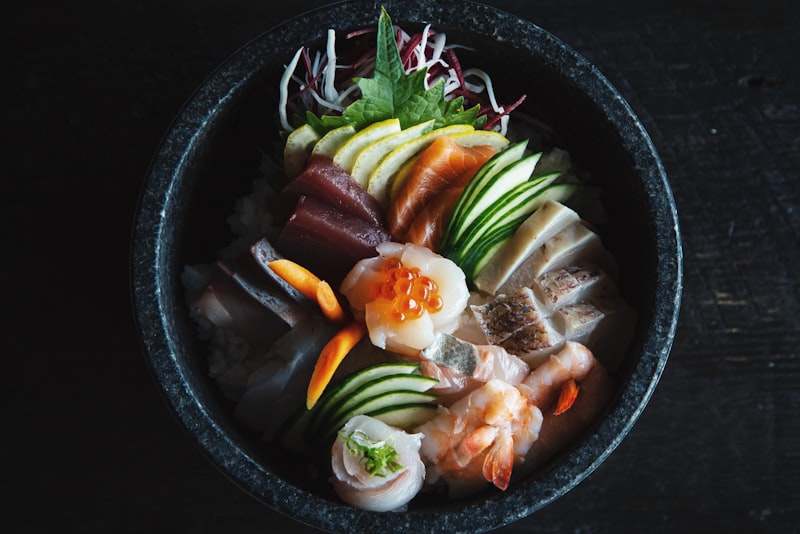
Choosing between bento vs buffet catering is one of the first decisions you will make when planning any event in Singapore, and it quietly shapes everything that follows: your budget, your headcount logistics, the mood in the room, and even how your guests remember the day. At Sushijiro, our Japanese culinary team prepares both formats from a single central kitchen, drawing on the same omakase heritage that built our reputation. Whether you are arranging a corporate lunch in a CBD boardroom or a family celebration at home, this guide breaks down when each format wins, where the middle ground sits, and how to match the right style to your event with confidence. Every dish across our menus is strictly No Pork, No Lard, so mixed dietary groups can dine together comfortably.
The core difference between bento and buffet catering
A bento is an individually portioned meal delivered in a sealed, ready-to-eat box. Each guest receives their own complete set, so service is instant and self-contained. A buffet, by contrast, is a shared spread laid out across stations or trays, where guests serve themselves from communal dishes. The distinction sounds simple, but it ripples through your planning. Bento favours speed, predictability, and individual hygiene; buffet favours abundance, variety, and a sociable atmosphere. Understanding the trade-offs in bento vs buffet catering is the key to a smooth event, and it usually comes down to four levers: your guest count, your venue, your timing, and the experience you want to create.
When to choose bento catering
Bento sets shine when efficiency and control matter most. Because every portion is pre-packed, there is no queuing, no shared utensils, and no guesswork about whether late arrivals will find food left. For seated meetings, training sessions, and events where guests cannot leave their desks or seats, the bento is almost always the smarter choice.
- Tight timelines: lunch breaks of 30-45 minutes where queuing would waste half the slot.
- Distributed or hybrid teams: boxes can be handed out per floor, per room, or couriered to home workers.
- Hygiene-sensitive settings: hospitals, schools, and clients who prefer individually sealed meals.
- Headcount certainty: you pay per box, so costing is exact with no over-catering surprises.
- Smaller groups: from roughly 10 to 40 guests, bento is often more practical than setting up a full buffet line.
Our bento catering in Singapore presents each set with the same plating discipline as a restaurant course, so an individual box never feels like a downgrade. If you want to understand how we balance protein, rice, and sides within a single box, the Japanese catering portion guide walks through our standard serving sizes.
When to choose buffet catering
A buffet earns its place when the occasion is about generosity, choice, and people moving freely. Larger gatherings, networking receptions, milestone celebrations, and weddings all benefit from the visual impact of a fully dressed buffet line. Guests with different appetites and preferences can build their own plates, return for seconds, and graze across a longer window rather than eating in a single fixed sitting.
- Bigger crowds: from around 40 guests upward, a buffet usually becomes more cost-efficient per head than individual boxes.
- Flexible timing: open-house events or receptions where people arrive and leave across two or three hours.
- Variety-led menus: when you want sashimi, sushi, hot mains, and sides all on display.
- Atmosphere and wow factor: a styled spread signals occasion and encourages guests to mingle around the table.
- Venue space: you have a clear surface and traffic flow for stations and a serving queue.
Explore the live spread and menu range on our Japanese buffet catering in Singapore page. A full buffet is where our omakase background is most visible, from the colour balance of a sashimi platter to the way hot and cold dishes are sequenced across the line.
The mini buffet middle ground
Not every event fits neatly into bento or full buffet, and that is exactly what the mini buffet was built for. A mini buffet delivers a curated, scaled-down spread, usually portioned for around 10 to 20 guests, with the variety and presentation of a buffet but without the footprint, labour, or cost of a large setup. It is the natural answer for intimate house parties, small office celebrations, and family gatherings that want abundance without excess.
Our Japanese mini buffet catering in Singapore arrives in attractive serving trays ready to display, so you get the sociable, help-yourself feel of a buffet at a guest count where a full line would be wasteful. In the wider bento vs buffet catering conversation, the mini buffet is the bridge that resolves most “we are not big enough for a buffet but want more than boxes” dilemmas.
Cost comparison: how the formats price out
Cost is usually the deciding factor, and the two formats price differently. Bento is charged per set, which makes budgeting precise: multiply the per-box price by your confirmed headcount and you have your total. Buffet is typically priced per pax with a minimum order, and the per-head rate often drops as volume rises, which is why buffet tends to win on cost at larger numbers. Mini buffets sit in between, with a fixed package designed for smaller groups.
- Small groups (10-30): bento often costs the same or less and removes setup labour.
- Mid groups (30-50): compare both closely; mini buffet or buffet may pull ahead.
- Large groups (50+): full buffet usually delivers the lowest cost per head and most variety.
- Hidden factors: delivery, serving equipment, and any live or manned stations affect the final figure.
For a transparent breakdown of what drives box pricing, see our notes on Japanese bento catering cost in Singapore before you finalise your format.
Hygiene, serving, and food safety
Hygiene expectations in Singapore remain high, and the format you choose changes how food is handled on the day. Bento sets are individually sealed at our central kitchen and not exposed to shared serving, which many clients prefer for clinical, educational, or health-conscious environments. Buffets involve communal serving, so we provide proper serving utensils, sneeze-considerate presentation, and guidance on safe holding times.
Across both formats, our kitchen follows strict preparation standards, and our entire menu is No Pork, No Lard, which simplifies catering for diverse teams. Please note we are not halal-certified, so if your event has a formal halal requirement, we will be upfront and recommend you plan accordingly. For raw items such as sashimi, we advise a tighter serving window and air-conditioned display, and our team will brief your host on the day.
Presentation, atmosphere, and brand impression
Food is part of how your event communicates. A buffet makes a bold visual statement the moment guests walk in, with height, colour, and abundance signalling that this is a special occasion. It rewards venues with space and events that want energy and movement. A bento, meanwhile, projects order, care, and respect for each guest’s time, which suits formal meetings, premium client lunches, and any setting where neatness reads as professionalism.
Because Sushijiro’s roots are in omakase, both formats carry deliberate plating. A bento lid lifts to reveal a composed arrangement rather than a scoop of food, and a buffet line is styled as a continuous display rather than a row of trays. The right choice depends on whether you want guests to gather and graze or to receive a polished individual experience.
Corporate versus social events
Context often makes the decision for you. Corporate events lean toward predictability: fixed headcounts, tight schedules, clear billing, and minimal disruption. Bento sets fit this perfectly, especially for board meetings, seminars, and staggered shift meals. When a company hosts a townhall, product launch, or year-end celebration, a buffet brings the celebratory energy that marks the occasion.
Social events such as birthdays, housewarmings, and family reunions usually prioritise warmth and sharing, which favours buffets and mini buffets where guests linger and serve themselves. The exception is large outdoor or multi-location gatherings, where bento boxes keep distribution simple. When in doubt, our team can help you map the format to the occasion over a quick call at +65 9739 1334.
Your decision checklist
Run through these questions and the right format usually becomes obvious.
- How many guests? Under 30 leans bento or mini buffet; over 50 leans full buffet.
- How long is the eating window? Short and fixed favours bento; open and flowing favours buffet.
- Is your headcount confirmed or fluid? Fixed favours bento; fluid favours buffet.
- What is the venue like? Limited space or per-desk service favours bento.
- What atmosphere do you want? Polished and efficient favours bento; abundant and social favours buffet.
- How sensitive is hygiene? Individually sealed needs favour bento.
- What is your budget per head? Larger groups stretch further on buffet.
Still unsure? Send us your numbers and timing and we will recommend the most cost-effective fit on our quote request page.
Frequently asked questions
Is bento or buffet cheaper for a 20-person office lunch?
At around 20 guests, bento is usually the most cost-effective and practical choice, since it removes setup and serving labour. A mini buffet is a close second if you want more variety and a shared, help-yourself feel.
At what headcount does a buffet make more sense than bento?
As a general rule, a full buffet starts to win on cost per head and variety from around 40 to 50 guests upward. Below that, bento or our mini buffet often gives better value and easier logistics.
Can I mix bento and buffet at the same event?
Yes. Some clients pair a buffet for the main reception with individual bento sets for VIPs, dietary cases, or staff working a separate shift. Let us know your scenario and we will design a combined plan.
Is Sushijiro halal-certified?
No. We are not halal-certified, so we never claim to be. However, our entire menu is strictly No Pork, No Lard, which makes catering for mixed groups much simpler. We will always be transparent about this when you book.
How far in advance should I order?
For both bento and buffet, we recommend confirming at least 2 to 3 working days ahead, and earlier for large numbers or peak periods. Call us at +65 9739 1334 if you are working to a tight timeline and we will do our best to help.
Whether your event calls for the precision of individual bento or the abundance of a styled buffet, Sushijiro’s Japanese culinary team can match the format to your headcount, budget, and venue. Tell us about your event and we will recommend the best fit and an exact quote.